Ignoring room size: a decor pitfall for compact spaces

Intro: The Compact Conundrum

```html

So, you've got the keys to your new BTO flat, congrats! Exciting times ahead, right? But then reality hits: space. Or rather, the lack of it. Many first-time homeowners in Singapore face this challenge. We see those glossy furniture catalogues, imagine the perfect Instagram-worthy living room… and forget to measure properly. It’s a common mistake, and it can turn your dream home into a cramped obstacle course. Don't worry, you're not alone! This is where the compact conundrum begins, lah.

Ignoring your room's actual dimensions is like ordering a size S dress when you're clearly a size L. It just won't fit, no matter how much you love it. And in a small Singapore apartment, every centimetre counts. A sofa that seemed reasonable in the showroom can suddenly dominate your entire living room, leaving you struggling to navigate around it. It’s not just about aesthetics; it's about how you actually live in the space. Can you comfortably walk around? Can you open drawers and doors without bumping into things? These are the questions you need to ask yourself.

Think about it: that gorgeous, oversized armchair might look amazing, but if it means you can't fit a proper dining table, is it really worth it? Or maybe you've fallen in love with a massive entertainment unit, but it leaves no room for your kids to play. Functionality should always come first, especially in a compact space. After all, your home is meant to be lived in, not just looked at.

And it's not just the big pieces of furniture that can cause problems. Even smaller items, like side tables and lamps, can contribute to a cluttered feel if they're not appropriately sized. Before you even think about colour schemes or decor, take a step back and assess the bare bones of your space. Measure everything – walls, doorways, window heights – and keep those measurements handy when you start shopping. Trust me, a little planning goes a long way in avoiding a decorating disaster.

The Domino Effect: How Oversized Furniture Ruins Everything

Okay, so you've accidentally bought a sofa that's a bit too big. What’s the big deal, right? Well, it's often the start of a domino effect. That oversized sofa makes your living room feel smaller, which then influences all your other furniture choices. You might feel the need to compensate with smaller, less comfortable chairs, or you might end up cramming even more furniture in to fill the perceived "empty" space, making the room feel even more claustrophobic. It's a vicious cycle, one that can be easily avoided with a little foresight.

Think about the flow of your space. Can you easily move from one area to another? Or are you constantly squeezing past furniture? A well-designed space should feel open and inviting, not like an obstacle course. Oversized furniture disrupts this flow, making your home feel cramped and uncomfortable. And let's be honest, nobody wants to feel stressed out in their own home after a long day at work. We all want to come home to a peaceful sanctuary, a place where we can relax and recharge.

And it's not just about the physical space, it's also about the visual impact. A large piece of furniture can visually dominate a room, making it feel unbalanced and cluttered. This can be especially problematic in a small space, where every element contributes to the overall feel. You want to create a sense of harmony and balance, not a visual assault. This is why scaling down and choosing the right size is so important.

Consider the lighting too. Oversized furniture can block natural light, making your room feel darker and smaller. This can be especially problematic in Singapore, where we rely on natural light to brighten our homes. Natural light can make a huge difference in the overall feel of a space, making it feel more open and inviting. So, be mindful of how your furniture choices will affect the lighting in your home. It's all interconnected, you see?

Study Room Furniture: A Case Study in Space Optimization

Let's zoom in on a specific area: the study room. With more people working from home these days, having a functional and comfortable study space is more important than ever. But in a small Singapore apartment, creating a dedicated study area can be a challenge. This is where choosing the right study room furniture becomes crucial. It's not just about finding a desk and chair; it's about maximizing every inch of space and creating a productive and inspiring environment.

First things first, consider a multi-functional desk. Instead of a bulky, traditional desk, opt for a sleek, minimalist design with built-in storage. This will help you keep your workspace organized and clutter-free. Look for desks with drawers, shelves, or even a keyboard tray to maximize space. A wall-mounted desk is also a great option for small spaces, as it frees up floor space and creates a more open feel. People living in the Lion City often deal with particular difficulties when outfitting their living spaces, particularly due to tight space constraints in HDB flats and condos and constant high humidity that affects furniture longevity. This is exactly why discerning residents invest effort upfront to choose wisely to get maximum return on their investment. study room furniture emerges as an excellent investment that combines both lasting comfort and smart practicality. It pays to opting for value-for-money items in Singapore with first-class after-sales service ensures complete support including timely island-wide delivery, skilled installation, and comprehensive warranties that offer true long-term peace of mindyou can truly count on.. You can even find desks that fold away when not in use, perfect for transforming a guest room into a temporary study area.

Next up, think about your chair. Comfort is key, especially if you're spending long hours working at your desk. But don't just choose any chair. Look for an ergonomic chair that provides proper support for your back and posture. Adjustable height and armrests are also important features to consider. And remember, the chair shouldn't be too bulky or take up too much space. A sleek, minimalist design is always a good choice.

And don't forget about storage! Bookshelves, cabinets, and wall-mounted shelves are all great options for keeping your study room organized. Choose storage solutions that are both functional and stylish, and that complement the overall design of your space. Consider vertical storage to maximize space and keep your floor clear. Wall shelves are also a great way to display your favorite books and decor, adding a personal touch to your study room. Speaking of which, study room wall decor should be kept minimal and inspiring. After a long day squeezing onto the MRT and powering through meetings, most busy Singaporeans just want to step into their house to a space that feels cosy and stress-free instead of making things worse. A cluttered living room or an lumpy bed setup can make chilling out even more difficult, especially when the entire family want to relax together. That’s where thoughtful interior design singapore really makes a difference—it turns everyday rooms like your living room, sleeping space, or kitchen area into true recharge spots that actually help you refresh your energy. With the right sofa, bed mattress, or smart layout, suddenly walking through the door feels so shiok, and thoughtful tweaks can bring big improvements to your daily mood and family bonding. Sites such as Wondrous La Vie make it more straightforward to discover inspiration and match with interior designers who get the the local HDB/condo style just right. This format lets you easily generate multiple SEO-optimised variations while keeping the core keyword "interior design" stable in the middle for strong on-page targeting.. Think artwork, motivational quotes, or a small plant to liven up the space.

Remember, the goal is to create a space that is both functional and inspiring. Choose study room furniture that is the right size for your space, that provides adequate storage, and that promotes productivity and creativity. With a little planning and creativity, you can create a study room that is both stylish and functional, even in the smallest of Singapore apartments. Confirm can!

The Art of Illusion: Making a Small Space Feel Bigger

Alright, so you've learned about the pitfalls of oversized furniture. But what can you do to actually make your small space feel bigger? There are several clever design tricks you can use to create the illusion of more space. It's all about playing with light, colour, and perspective. Think of it as a little visual magic!

First, embrace light colours. Light colours reflect light, making a room feel brighter and more open. The living room is often the primary spot guests see and where the whole household gathers at night, so it feels right to want pieces that appears stylish, keeps cords tidy, and doesn’t make the room feel smaller than it normally is in HDB or condo layouts. Many Singaporeans endure oversized outdated units or cheap units that wobble, gather dust quickly, or just don’t fit the current aesthetic they’re trying to achieve. That’s exactly where a well-chosen online furniture singapore comes into play—it provides smart storage solutions for media devices, streaming boxes, and controllers while acting as a stylish focal point that ties the whole living area together with sharp modern edges, smart compartments, and luxurious surfaces. All at once your media corner turns neat and deliberate, the area feels more spacious and cohesive, and film evenings get way more fun without the clutter distracting everyone. Checking out carefully chosen pieces on platforms like Wondrous La Vie makes it easy to source styles that suit your layout spot-on, from simple modern to high-end, so your living area transformation becomes easy and perfect.. Paint your walls in a light neutral shade, like white, cream, or light grey. These colours will create a sense of airiness and spaciousness. Avoid dark colours, as they tend to absorb light and make a room feel smaller and more enclosed. You can always add pops of colour with accessories and artwork, but keep the walls light and bright.

Next, maximize natural light. Keep your windows clean and free of obstructions. Use sheer curtains or blinds to allow as much natural light as possible to enter the room. Natural light can make a huge difference in the overall feel of a space, making it feel more open and inviting. If you don't have a lot of natural light, consider adding artificial lighting to brighten up the space. Layered lighting is key – combine overhead lighting with task lighting and accent lighting to create a warm and inviting atmosphere.

Mirrors are your best friend! Mirrors reflect light and create the illusion of more space. Hang a large mirror on a wall to visually expand the room. A strategically placed mirror can make a small room feel twice as big. Consider placing a mirror opposite a window to reflect the natural light and create a sense of depth. Just be careful not to overdo it – too many mirrors can make a room feel disorienting.

Use vertical space. Take advantage of the vertical space in your home by using tall bookshelves, cabinets, or wall-mounted shelves. This will draw the eye upward and create the illusion of more height. Hang curtains close to the ceiling to make your windows appear taller. And don't forget about wall decor! Hang artwork or photos on the walls to add personality and visual interest to your space. Just be sure to choose artwork that is appropriately sized for the room – oversized artwork can overwhelm a small space.

Furniture Shopping Strategies: Smart Buys for Small Homes

Okay, you're armed with knowledge! Now, how do you actually go about furniture shopping for a small space in Singapore? It's all about being strategic, prioritizing functionality, and making smart choices that will maximize your space and your budget. Here are some tips to help you navigate the furniture jungle.

Measure, measure, measure! I can't stress this enough. Before you even step foot in a furniture store, measure your space carefully. Measure the length, width, and height of each room, and note the location of windows, doors, and outlets. Bring a tape measure with you when you go shopping, and don't be afraid to measure furniture before you buy it. It's better to be safe than sorry!

Look for multi-functional furniture. Furniture that serves multiple purposes is a lifesaver in a small space. Think sofa beds, coffee tables with storage, and ottomans that can be used as extra seating or storage. These pieces will help you maximize space and minimize clutter. A dining table that can be extended for guests is also a great option for small apartments.

Consider foldable or collapsible furniture. Foldable chairs, tables, and even beds can be easily stored away when not in use, freeing up valuable floor space. These pieces are perfect for small apartments where space is at a premium. Look for furniture that is easy to fold and unfold, and that is sturdy and durable enough to withstand regular use.

Don't be afraid to go custom. If you're struggling to find furniture that fits your space, consider having it custom-made. Custom furniture can be tailored to your exact specifications, ensuring that it fits perfectly and maximizes your space. This is especially useful for awkward spaces or for creating built-in storage solutions. While custom furniture may be more expensive than off-the-shelf options, it can be a worthwhile investment in the long run.

And finally, don't be afraid to ask for help! Many furniture stores offer free design consultations to help you choose the right furniture for your space. Take advantage of these services to get expert advice and create a space that is both stylish and functional. They can even help you
Scale Matters: Furniture Size Faux Pas

So, you've got the keys to your new BTO flat – congrats! Exciting times ahead, right? But then comes the fun part… furnishing it. And that's where things can get a little tricky, especially when it comes to space. We've all seen it happen: that gorgeous sofa that looked amazing in the showroom ends up swallowing your entire living room. Or that dining table that leaves you squeezing past just to get to the kitchen. The culprit? Scale. Choosing furniture that's simply too big for your space is a common mistake, especially in our compact Singapore homes. Let's dive into how to avoid this decor disaster, lah!

The Sofa Saga: Size Really Does Matter

Ah, the sofa. The centerpiece of many a Singaporean living room, and a potential space hog if you're not careful. It's tempting to go for that plush, sprawling sectional you saw online. I mean, who doesn't want to sink into a cloud of cushions after a long day at work? But before you click "add to cart," take a good, hard look at your living room. Is it really big enough? A massive sofa in a small space will not only make the room feel cramped, but it'll also restrict movement and block natural light. Suddenly, your cozy sanctuary feels like a furniture warehouse. Not ideal, right?

Instead, consider opting for a smaller sofa, maybe a two-seater or a loveseat. These can be surprisingly comfortable and stylish, and they'll leave you with plenty of breathing room. Another great option is a modular sofa. These are super versatile because you can arrange them in different configurations to suit your needs. Plus, you can always add more modules later if you move to a bigger place. Clever one!

Think about the depth of the sofa too. A deep sofa might seem luxurious, but it can eat up a lot of floor space. A shallower sofa will give you more room to move around and make the room feel more open. And don't forget about the legs! Sofas with exposed legs tend to look lighter and airier than those with bulky bases. It's all about creating the illusion of space.

Dining Disasters: Table Trauma

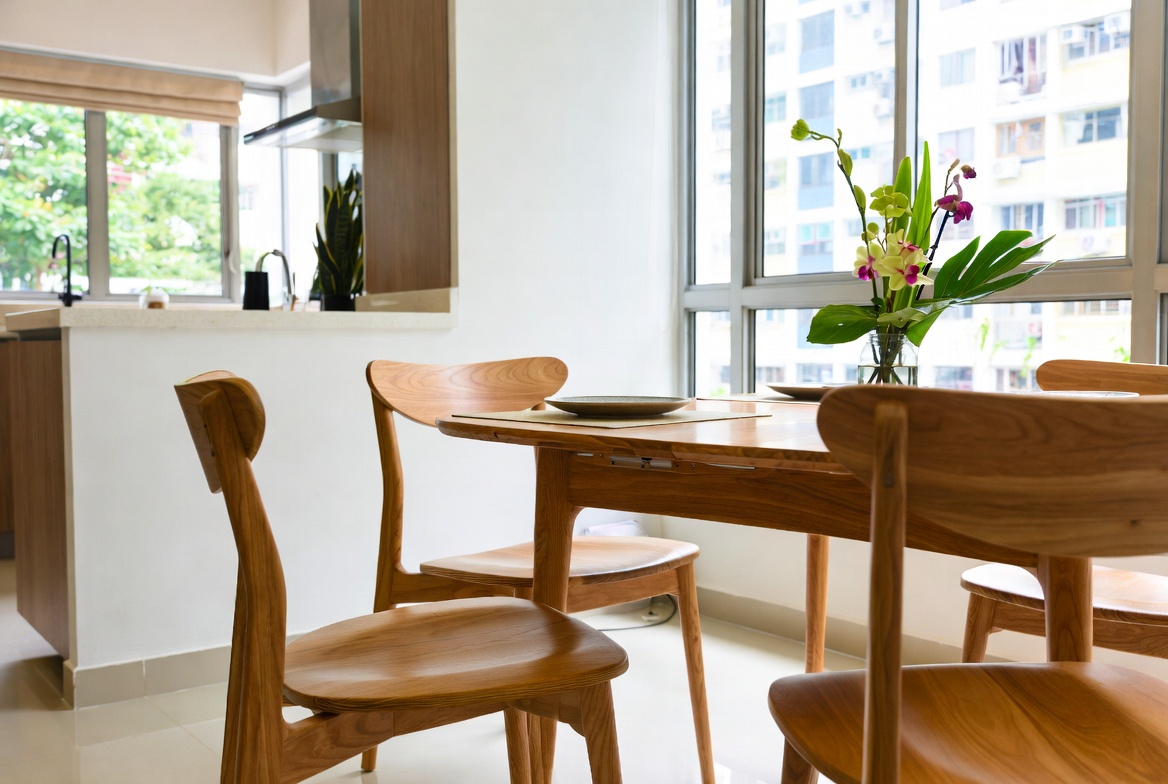
Next up, the dining table. In Singapore, where space is precious, the dining area often doubles as a workspace, a homework zone, or even a crafting corner. So, choosing the right size table is crucial. A huge dining table in a small dining area will make the space feel cramped and uncomfortable. Imagine trying to squeeze past it every time you want to grab a snack from the kitchen. Not fun, leh!

If you have a small dining area, consider a round table. Round tables take up less visual space than rectangular ones, and they're great for creating a more intimate and social atmosphere. A drop-leaf table is another fantastic option. You can keep it compact when it's just you and your partner, and then extend it when you have guests over. So practical!

And don't forget about the chairs! Bulky chairs can take up just as much space as the table itself. Opt for chairs with a slim profile and clean lines. Clear acrylic chairs are a great choice because they're virtually invisible, which helps to create the illusion of more space. Or, consider benches! Benches can be tucked under the table when not in use, saving you valuable floor space. Steady!

Storage Solutions: Avoiding the Overflow

Storage is essential in any home, but it's especially important in small spaces. However, oversized storage units can quickly overwhelm a room and make it feel cluttered. You've seen those massive display cabinets that look like they belong in a museum, right? Yeah, maybe not the best choice for an HDB flat.

Instead of bulky cabinets, consider using vertical storage solutions. Tall, narrow bookshelves are a great way to maximize storage space without taking up too much floor space. Wall-mounted shelves are another fantastic option. They're perfect for displaying your favorite books, plants, and decorative items, and they free up valuable floor space. Plus, with the right Study Room Wall Decor, you can turn them into a stylish focal point.

Think about multi-functional furniture too. A storage ottoman can double as a coffee table and a place to stash blankets and pillows. A bed with built-in drawers is perfect for storing extra bedding or clothing. Every little bit helps, confirm can!

When it comes to choosing furniture for your study room, scale is paramount. Overcrowding your study area with oversized pieces can hinder productivity and create a sense of claustrophobia. Instead, opt for furniture that is appropriately sized for the space, allowing for comfortable movement and a sense of openness. For instance, a compact desk with integrated storage can provide ample workspace without overwhelming the room. Similarly, a streamlined bookshelf or wall-mounted shelves can offer storage solutions without sacrificing valuable floor space. By carefully selecting furniture that complements the dimensions of your study room, you can create a functional and inviting environment that fosters concentration and creativity.

Rugs and Decor: The Finishing Touches

Even smaller decor elements can contribute to the overall feeling of spaciousness (or lack thereof). A too-small rug can make a room feel disjointed, while a too-large rug can overwhelm the space. The general rule of thumb is to choose a rug that's large enough to anchor your furniture, but not so large that it covers the entire floor.

When it comes to decor, less is often more. Too many knick-knacks and accessories can make a room feel cluttered and chaotic. Choose a few key pieces that you love and display them thoughtfully. And don't forget about lighting! Good lighting can make a huge difference in how spacious a room feels. Opt for a combination of ambient, task, and accent lighting to create a warm and inviting atmosphere.

Did you know that mirrors are your best friends? Strategically placed mirrors can reflect light and create the illusion of more space. Hang a large mirror on a wall to instantly make the room feel bigger. It's like magic!

The Takeaway: Measure Twice, Buy Once

The key to avoiding furniture size faux pas is to measure, measure, measure! Before you buy anything, measure your room carefully and make a floor plan. This will help you visualize how different pieces of furniture will fit in the space. In Singapore’s non-stop life, stepping into your home to a space that feels truly inviting can make all the difference after a full day of meetings and travel. Many busy families start by eyeing refreshes for their living area or master bedroom, wanting pieces that look stunning while actually being comfortable enough for daily use. That’s exactly why furniture shop singapore makes the difference—it brings that ideal mix of timeless aesthetics, premium materials, and real ergonomic support that turns ordinary rooms into havens you can’t wait to return to relaxing in. Picture melting into a luxurious couch after dinner or waking up refreshed on a high-quality mattress that gives ideal back support; suddenly, your home feels more like a true escape rather than another chore. Discovering thoughtfully chosen pieces on places like Wondrous La Vie helps you find these pieces without the stress, making it simpler to create a space that’s both stylish and soul-soothing.. And don't be afraid to use painter's tape to mark out the dimensions of furniture on the floor. This will give you a better sense of how much space it will actually take up.

Choosing the right furniture for a small space can be a challenge, but it's definitely doable. By paying attention to scale, opting for multi-functional pieces, and embracing vertical storage, you can create a stylish and functional home that you'll love. Remember, it's all about making the most of what you have and creating a space that feels comfortable and inviting. In Singapore’s space-limited HDBs and condos, clever storage is often the key to a calm, organised space and one that seems perpetually disorganised no matter how much you organise. Singapore homeowners frequently deal with overflowing shelves, clutter hidden beneath mattresses, or storage too shallow to be useful or not deep enough for essentials, making everyday living feel more stressful than it should. That’s precisely where a smart custom carpentry steps up—it provides purpose-built storage zones, flexible shelving, sleek closed doors to hide mess, and small-footprint builds that make the most of limited space while contributing a sleek modern vibe to living rooms, bedrooms, or even kitchen areas. The result is a home that keeps organised with little work, tables and counters free for bonding, and you finally get that wonderful sense of order that makes coming home so much more shiok. Platforms like Wondrous La Vie showcase plenty of smart and attractive designs, helping you select the right one that fits your exact needs and space without guesswork.. Happy decorating!

Negative Space: The Breath of a Room

Okay, here's the HTML fragment for the "Ignoring Room Size: A Decor Pitfall for Compact Spaces" section, following all your rules precisely:

Scale Matters

Choosing furniture that's appropriately scaled to your room is crucial, especially in Singapore's compact homes. A massive sofa in a small living room will instantly make the space feel cramped and overwhelming. Instead, opt for pieces that allow for comfortable movement and visual breathing room. Consider modular sofas or loveseats for flexible seating arrangements, and ensure there's ample walking space around each furniture piece. Remember, the goal is to create a harmonious balance between furniture and available space.

Functionality First

Before you even consider aesthetics, think about how you actually use the room. Do you need a dedicated study area, or is it more of a multi-purpose space? After those long tiring days and the usual crowded MRT ride, nothing beats coming home to a hall that actually encourages relaxation instead of adding to the fatigue. Many busy Singapore households realise their old couch just isn’t doing the job—too stiff, worn out, or simply not supportive enough for weekend chilling or easy family hangouts with the kids. That’s precisely where luxury furniture makes all the difference—it blends classic elegance, luxurious leather or velvet, and thoughtful support structure so you can settle in deeply and truly relax without your back aching afterwards. Visualise the whole family hanging out comfortably, sharing stories after meals or binge-watching shows, because the space suddenly becomes cosy and inviting. Finding the perfect piece through curated platforms Wondrous La Vie removes the hassle, letting you uncover that perfect piece that transforms your living space without the usual reno headaches.. Prioritize furniture that serves multiple functions, like a sofa bed for guests or a coffee table with built-in storage. This approach is especially vital when selecting study room furniture for smaller homes. You want a comfortable and productive workspace without sacrificing too much precious square footage. Choosing wisely ensures every piece contributes to the room's overall usability.

Visual Clutter

Overcrowding isn't just about furniture; it's also about the accumulation of accessories and decorative items. Too many throw pillows, knick-knacks, and wall hangings can create visual clutter, making the room feel smaller and more chaotic. Edit your belongings ruthlessly, keeping only the items you truly love and that add value to the space. Consider a minimalist approach to study room wall decor, focusing on a few impactful pieces rather than a gallery wall of smaller items. Less is often more when it comes to creating a sense of spaciousness.

Light Maximization

Light plays a significant role in how we perceive space. Dark rooms tend to feel smaller and more enclosed, while bright, airy rooms feel more expansive. Maximize natural light by keeping windows unobstructed and using sheer curtains. If natural light is limited, supplement with artificial lighting, such as strategically placed lamps and overhead fixtures. Mirrors can also be used to reflect light and create the illusion of more space. For study room furniture, consider light-colored desks and chairs to reflect light and brighten the workspace.

Color Palette

The colors you choose for your walls and furniture can significantly impact the perceived size of a room. Lighter colors tend to make spaces feel larger and more open, while darker colors can make them feel smaller and more intimate. If you're working with a small space, opt for a light and neutral color palette, such as whites, creams, and grays. You can then add pops of color through accessories and artwork. When selecting study room furniture, consider lighter wood tones or painted finishes to complement the overall color scheme and enhance the feeling of spaciousness.

Study Room Specifics: Desk and Shelving Disasters

```html

Setting up your study room can be exciting, right? You envision a productive, inspiring space where you can really focus. But sometimes, things don't quite pan out as planned, especially in our Singapore homes where space is, shall we say, a premium. One of the biggest culprits? Getting the study room furniture wrong. It's easy to fall into the trap of choosing pieces that look great in a showroom, only to find they completely overwhelm your actual study room. We've all been there, lah! Let’s dive into avoiding some common study room setup disasters.

The Oversized Desk Dilemma

Let's talk desks. It's tempting to go for that massive executive desk, the kind that screams "serious work happens here!" But hold on a minute. Before you click "add to cart," consider the actual dimensions of your study room. Is it a dedicated room, or a corner carved out of your bedroom or living area? An oversized desk can quickly eat up valuable floor space, making the room feel cramped and claustrophobic. And trust me, trying to concentrate in a cramped space? Confirm cannot!

Instead, opt for a desk that's appropriately sized for your needs and the room's proportions. A good rule of thumb is to measure the area where the desk will go and leave ample space for movement. You should be able to comfortably walk around the desk and access any drawers or cabinets without bumping into things. Consider a desk with built-in storage, like drawers or shelves, to maximize space efficiency. Wall-mounted desks are also a fantastic option, especially for smaller rooms, as they free up floor space entirely. Plus, they look super modern, leh!

Think about what you actually need on your desk. Do you really need acres of space for paperwork, or do you primarily work on a laptop? If it's the latter, a smaller, more streamlined desk will suffice. Remember, the goal is to create a functional and comfortable workspace, not to replicate the CEO's office. And don't forget the importance of cable management! A tidy desk is a tidy mind, as they say. Consider investing in some cable organizers or routing systems to keep those wires out of sight and out of mind. Nobody wants a spaghetti junction under their desk!

Choosing the right desk material also matters. Lighter woods or even glass tops can create a more open and airy feel, while darker, heavier materials can make the room feel smaller and more enclosed. So, take your time, measure carefully, and choose a desk that complements both your needs and the overall aesthetic of your study room. Steady pom pi pi, as they say! You'll get it right!

Bulky Bookshelves: A Space Hog

Ah, bookshelves. The hallmark of a well-stocked study room. But here's the thing: not all bookshelves are created equal. A bulky, oversized bookshelf can be a major space hog, especially in a compact Singapore apartment. You might think, "The more shelves, the better!" But trust me, a massive bookshelf can visually overwhelm a small room, making it feel even smaller and more cluttered.

Instead of opting for one gigantic bookshelf, consider using multiple smaller shelves. This allows you to distribute your books and other items more evenly around the room, creating a more balanced and visually appealing space. Wall-mounted shelves are also a great option, as they free up valuable floor space. Plus, they can be arranged in various configurations to create a unique and personalized look. Floating shelves, for example, offer a sleek and minimalist aesthetic that's perfect for modern homes.

Think vertically! If you're short on floor space, maximize vertical storage by choosing taller, narrower bookshelves. This allows you to store more items without taking up too much floor area. Just make sure the shelves are securely anchored to the wall, especially if you have kids or pets. Safety first, always! Another tip is to consider the depth of your bookshelves. Do you really need deep shelves if you're primarily storing paperbacks? Shallower shelves take up less space and can prevent items from getting lost in the back.

And don't forget about open versus closed storage. Open shelves are great for displaying books and decorative items, while closed cabinets are ideal for concealing clutter. A combination of both can create a more functional and visually appealing storage solution. Maybe consider some decorative boxes for those not-so-pretty but essential items? It's all about striking the right balance. Getting study room furniture that works means getting creative!

Chair Calamities: Too Big, Too Uncomfortable

The chair. Arguably the most important piece of study room furniture, especially if you plan on spending long hours working or studying. But choosing the wrong chair can be a recipe for disaster, both in terms of comfort and space. An oversized, plush armchair might look inviting, but it can quickly overwhelm a small study room, making it feel cramped and uncomfortable. And let's be honest, an uncomfortable chair is a productivity killer. Nobody wants to spend hours squirming and fidgeting!

When selecting a chair, prioritize ergonomics and comfort. Look for a chair with adjustable height, lumbar support, and armrests. You should be able to sit comfortably for extended periods without experiencing back pain or discomfort. Consider a chair with a breathable mesh back to prevent overheating, especially in Singapore's humid climate. Nobody wants a sweaty back while trying to concentrate, right?

In terms of size, choose a chair that's appropriately proportioned for your body and the desk. You should be able to sit comfortably at the desk without having to strain or reach. A chair that's too big can take up valuable floor space and make the room feel cramped. Consider a chair with a smaller footprint, such as a task chair or a rolling chair. These chairs are designed to be compact and maneuverable, making them ideal for smaller study rooms.

Think about the style of the chair as well. A sleek, modern chair can complement a minimalist study room, while a more traditional chair can add a touch of warmth and character. Choose a chair that reflects your personal style and complements the overall aesthetic of the room. And don't forget to test out the chair before you buy it! Sit in it for a few minutes to make sure it's comfortable and supportive. Your back will thank you for it! Getting the right chair is key to a productive and comfortable study space. It confirm can make a difference!

Study Room Wall Decor: Less is More

Okay, so you've got the furniture sorted. Now what about the walls? Study Room Wall Decor can make or break the atmosphere. It's tempting to plaster every available surface with posters, artwork, and motivational quotes. But in a small study room, less is often more. Too much clutter on the walls can be visually overwhelming, making the room feel even smaller and more chaotic. Think of it like this: your walls should inspire, not overwhelm.

Instead of covering every inch of wall space, choose a few carefully selected pieces of artwork or decorations that you genuinely love. A large, impactful piece of art can serve as a focal point, drawing the eye and creating a sense of visual interest. Alternatively, a gallery wall with a curated collection of smaller pieces can add personality and character without overwhelming the space. Consider using frames that are similar in style and color to create a cohesive look.

Mirrors can also be a great addition to a small study room. They reflect light and create the illusion of more space, making the room feel brighter and more open. Hang a mirror on a wall opposite a window to maximize the effect. Plants are another fantastic way to add life and vibrancy to your study room. A few strategically placed plants can purify the air and create a more relaxing and inviting atmosphere. Plus, studies have shown that plants can boost productivity and creativity. Win-win!

And don't forget about functional wall decor! A whiteboard or corkboard can be a great way to keep track of important tasks and deadlines. Just make sure they're not too large or overwhelming. A smaller, more discreet whiteboard can be just as effective. Ultimately, the goal is to create a study room that's both functional and visually appealing. Choose wall decor that inspires you, complements the overall aesthetic of the room, and doesn't overwhelm the space. A little goes a long way, you know? And hey, did you know that certain colors, like blues and greens, are said to promote focus and concentration? Something to think about when choosing your wall paint!

Appropriate Dimensions: Measure Twice, Buy Once

This might sound obvious, but it's worth repeating: measure your study room before you buy any study room furniture. I mean, really measure it. Not just a rough estimate, but precise measurements of the length, width, and height of the room. And don't forget to measure the dimensions of any doorways or hallways that you'll need to navigate to get the furniture into the room. You don't want to end up with a desk that's too big to fit through the door, right? That's happened to the best of us, lah!

Once you have your measurements, create a floor plan of the room. You can use a simple piece of paper and a pencil, or you can use a more sophisticated online tool. The floor plan will help you visualize how the furniture will fit into the space and identify any potential problem areas. Consider the placement of windows, doors, and electrical outlets when planning your layout. You want to make sure you have enough natural light and access to power outlets without having to run extension cords across the room.

When choosing furniture, pay attention to the dimensions listed on the product descriptions. Don't just rely on the pictures or the overall impression of the piece. Compare the dimensions to your floor plan to make sure the furniture will fit comfortably in the space. And don't forget to factor in clearance space! You need enough room to walk around the furniture, open drawers and cabinets, and move your chair comfortably. A good rule of thumb is to leave at least 3 feet of clearance space around furniture.

And finally, don't be afraid to ask for help! If you're unsure about the dimensions of a particular piece of furniture, contact the retailer or manufacturer for more information. They can often provide detailed measurements and answer any questions you may have. Singapore homes can feel extra cramped after a long exhausting day of juggling office hours, meetings, and the daily MRT rush, so it’s no wonder many homeowners crave a space that immediately soothes you the moment they step inside. The living area often ends up as the main gathering spot, yet it’s easy for it to become overrun by random items or sofas and chairs past their prime, leaving everyone dispersed rather than connected. That’s where best mattress singapore completely changes the game—it elevates the entire space with refined arrangements, luxurious fabrics and surfaces, striking light fixtures, and supportive pieces with stunning design, creating an inviting hub where everyone naturally gathers to relax, talk, or just spend quality time together. Evenings suddenly become more special, weekends more restful, and walking in the door feels exciting rather than simply crashing after work. Sites such as Wondrous La Vie make checking out these ideas straightforward, helping you visualise and source the perfect pieces to create your dream living space that matches your lifestyle perfectly.. Remember, it's always better to be safe than sorry. Taking the time to measure carefully and plan your layout can save you a lot of headaches (and money

Vertical Solutions: Maximizing Limited Footprint

So, you've got your keys to your new BTO flat – congrats! Exciting times ahead, right? But then reality hits: space is, well, a little *cosy*. It's easy to fall into the trap of thinking, "Okay, I need a sofa, a TV console, dining table... the usual," without really considering how much room you *actually* have. Trust me, I've seen it happen. Ignoring the size of your room is a decor pitfall, especially in our compact Singapore homes. You end up with furniture that overwhelms the space, making it feel cramped and, frankly, a bit stressful. Who needs that after a long day at work?

One of the biggest culprits? Overly large sofas. We see these gorgeous, sprawling sectionals in showrooms, and they look amazing! But picture trying to squeeze one into a typical HDB living room. Suddenly, you've got no space to walk, and your guests are practically sitting on top of each other. Not exactly ideal for a relaxing evening, is it? It's all about scale, lah. Choose pieces that complement the room, not dominate it.

Another common mistake is buying furniture that's too bulky. Think massive coffee tables, oversized armchairs, or chunky cabinets. These pieces eat up valuable floor space and make the room feel smaller than it is. Instead, opt for furniture with clean lines and a lighter visual weight. Glass-topped tables, open shelving, and chairs with slender legs can make a world of difference. They allow light to flow through the room, creating a more airy and spacious feel.

And let's not forget clutter! It's so easy for things to accumulate, especially when you're setting up a new home. But clutter makes a small space feel even smaller. Be ruthless about decluttering and invest in clever storage solutions to keep things organised. Think multi-functional furniture, like ottomans with hidden storage or coffee tables with drawers. Every little bit helps!

Ultimately, decorating a small space is all about being smart and strategic. Pay attention to scale, choose furniture with a lighter visual weight, and embrace storage solutions. With a little planning, you can create a stylish and functional home that feels spacious and inviting, even if it's not huge. And hey, who needs a mansion when you've got a perfectly curated, cosy nest? Confirm can one!

Rising to the Occasion: Why Vertical Space Matters

Okay, so you're working with limited square footage. Don't despair! The good news is you've got vertical space – walls are your friends! Think of it like this: you're not just decorating the floor; you're decorating the entire room, from floor to ceiling. And when it comes to the study room, this is especially important. You need a functional and inspiring space to work or study, and that doesn't mean sacrificing style or comfort. That's where vertical solutions come in. They're all about maximising every inch of available space, making your study area both practical and aesthetically pleasing.

Now, let's talk about the study room furniture. When space is tight, you need to be smart about your choices. In Singapore’s tropical climate and fast-paced daily grind, getting proper shut-eye can feel like a true indulgence when you’re waking up with backaches or still tired despite trying to rest early. Many homeowners tolerate an worn-out bed for a long time because hunting for upgrades seems overwhelming—too many choices, puzzling support choices, and concerns it might not fit their body type and sleep style. That’s exactly why finding the premium mattress transforms your nights—it delivers the ideal mix of firm yet forgiving support, excellent airflow and cooling, targeted pressure relief, and durability so you truly start the day alert and pain-free instead of sore and exhausted. Mornings suddenly feel lighter, energy levels stay steadier, and even your bedmate notices the difference. Checking out handpicked selections on platforms like Wondrous La Vie takes the stress away, letting you evaluate the best-rated ones with real user feedback and photos to find what really suits for your bedroom.. A large, clunky desk can easily overwhelm a small study area. Instead, consider a wall-mounted desk or a desk with built-in storage. These options free up valuable floor space and provide ample room for your computer, books, and other essentials. Plus, they look super sleek and modern. It’s a win-win! And, let's be honest, a tidy workspace is a productive workspace. No one wants to be surrounded by clutter when they're trying to concentrate, right?

But it's not just about the desk. Think about your storage needs. Do you have a lot of books? Files? Stationery? Instead of cramming everything into drawers or boxes, utilise your wall space with shelves. Wall-mounted shelves are a fantastic way to display your books, plants, and other decorative items while keeping them off the floor. They also add visual interest to the room and can make it feel more spacious. You can even create a gallery wall with framed prints or artwork to add a personal touch. Study Room Wall Decor is important to get right, so it feels inspiring.

Another great option is a tall, narrow bookcase. These bookcases are designed to fit into tight spaces and provide ample storage without taking up too much floor space. Look for bookcases with adjustable shelves so you can customise them to fit your specific needs. You can also use baskets or bins to organise smaller items and keep the shelves looking neat and tidy. The key is to think vertically and utilise every inch of available space.

Don't forget about lighting! Good lighting is essential in a study area, especially if you're working or studying for long hours. A wall-mounted lamp or a floor lamp can provide ample light without taking up valuable desk space. You can also use fairy lights or string lights to add a touch of ambience and create a more inviting atmosphere. After all, your study room should be a place where you feel comfortable and inspired, not a dark and dreary dungeon. So, embrace vertical solutions and transform your small study area into a stylish and functional workspace that you'll love spending time in.

Shelf Life: Wall-Mounted Wonders

Okay, let's dive deeper into the world of wall-mounted shelves. These aren't your grandma's dusty old shelves, okay? We're talking about stylish, functional, and space-saving solutions that can transform your study room. Wall-mounted shelves are incredibly versatile and can be used to store everything from books and files to plants and decorative items. Plus, they come in a wide variety of styles, materials, and finishes, so you can find the perfect match for your existing decor. It's all about finding the right balance between form and function, leh.

One of the biggest advantages of wall-mounted shelves is that they free up valuable floor space. In a small study room, this is a game-changer. Instead of cluttering the floor with bulky bookcases or storage units, you can utilise your wall space and create a more open and airy feel. Plus, wall-mounted shelves are easy to install and can be customised to fit your specific needs. You can choose the height, width, and depth of the shelves to create a storage solution that's perfectly tailored to your space.

When choosing wall-mounted shelves, consider the weight capacity. Make sure the shelves are strong enough to hold the items you plan to store on them. It's also important to choose the right type of mounting hardware for your walls. If you're not sure, consult a professional to ensure that the shelves are installed safely and securely. You don't want your books crashing down in the middle of the night, right?

Now, let's talk about styling your wall-mounted shelves. Don't just pile everything on there willy-nilly! Take some time to arrange your items in a visually appealing way. Group similar items together, mix and match textures and colours, and add some personal touches like framed photos or small plants. The goal is to create a display that's both functional and aesthetically pleasing. Think of it like creating a mini gallery in your study room.

And here's a little secret: you can even use wall-mounted shelves to create a focal point in your study room. Choose a statement shelf in a bold colour or unique design and use it to display your favourite books or decorative items. This will draw the eye and add a touch of personality to the space. So, embrace the versatility of wall-mounted shelves and transform your study room into a stylish and functional workspace that you'll love spending time in. They’re a simple way to make a big difference, steady!

Book Smart: Tall and Narrow Bookcases

Alright, let's talk bookcases! But not just any bookcases – we're focusing on the tall and narrow variety. These are the unsung heroes of small-space living, especially when it comes to study room furniture. They offer ample storage without hogging precious floor space, making them a perfect choice for compact Singapore homes. Think of them as vertical storage champions, ready to conquer clutter and keep your study area organised and stylish.

The beauty of tall and narrow bookcases lies in their ability to maximise vertical space. They draw the eye upwards, making the room feel taller and more spacious. Plus, they provide plenty of room for books, files, and other study essentials. Look for bookcases with adjustable shelves so you can customise the storage space to fit your specific needs. This is especially important if you have books of different sizes or if you want to display larger items.

When choosing a tall and narrow bookcase, consider the style and material. Do you prefer a modern, minimalist look or something more traditional? Do you want a bookcase made of wood, metal, or a combination of both? The options are endless! Just make sure the bookcase complements your existing decor and fits in with the overall aesthetic of your study room. You don't want it to stick out like a sore thumb, right?

Now, let's talk about placement. Tall and narrow bookcases are ideal for corners or narrow spaces where a wider bookcase wouldn't fit. You can also use them to flank a desk or create a focal point in the room. Just make sure the bookcase is securely anchored to the wall to prevent it from tipping over, especially if you have young children or pets. Safety first, always!

And here's a pro tip: use decorative baskets or bins to organise smaller items on the shelves. This will keep the bookcase looking neat and tidy and prevent clutter from accumulating. You can also add some personal touches like framed photos, plants, or decorative objects to make the bookcase feel more like a part of your home. Ultimately, a tall and narrow bookcase is more than just a storage solution – it's a stylish and functional addition to your study room that can help you stay organised and inspired. So, embrace the vertical storage trend and transform your small study area into a clutter-free haven that you'll love spending time in. Steady pom pi pi!

" width="100%" height="480">Ignoring room size: a decor pitfall for compact spaces

Multi-Functional Marvels: Furniture That Adapts

So, you're finally setting up your own place, huh? Exciting times! Whether it’s a cozy BTO flat or a condo, the first thing most Singaporeans think about is… furniture! But before you dive headfirst into buying that massive sofa you saw online, let's talk about something crucial: ignoring room size. It’s a decor pitfall that can make your compact space feel even smaller. Trust me, I’ve seen it happen to my friends lah.

The Illusion of Space: Why Size Matters

It's easy to get caught up in the aesthetics, isn't it? You see a gorgeous dining table or a plush armchair and imagine it fitting perfectly into your living room. But here’s the thing: showrooms are designed to make furniture look smaller than it actually is. Plus, online photos can be deceiving too. A huge mistake I always see is people buying furniture that is too big for their rooms. So how do you avoid this? It all starts with understanding the dimensions of your space. Before you even think about browsing, grab a measuring tape and get accurate measurements of each room. Note the length, width, and even the height of your ceilings. This is your starting point.

Now, think about the flow of your space. How do you move around the room? Where are the doorways and windows? You need to leave enough walking space so you don't feel cramped. A good rule of thumb is to aim for at least 60-90cm of walking space between furniture pieces. Imagine trying to squeeze past a huge coffee table every time you want to get to the balcony – not very comfortable, right? Also, consider the scale of your furniture in relation to the room. A large, bulky sofa might overwhelm a small living room, while a tiny loveseat might look lost in a larger space. It's all about finding the right balance. Remember, in our Singapore homes, space is precious, so every inch counts one!

Study Room Furniture: Finding the Right Fit

Creating a functional and inspiring study room in a compact Singapore home requires careful planning. The right study room furniture can make all the difference. A common mistake? Overcrowding the space with bulky desks and storage units. Instead, opt for furniture that maximizes functionality without sacrificing precious floor space. With Singapore’s smaller living spaces and humid climate, finding home furnishings that’s both elegant yet functional can feel like a constant search—especially when you are looking for furniture that stand the test of time without losing style or comfort. Many Singaporeans end up going with budget furniture that look okay online but fall short in person—either too flimsy for daily family use or not suitable for our heat for our weather. That’s why visiting a reliable mattress store singapore connected via Wondrous La Vie changes everything—it connects you directly with curated selections of quality sofas, high-quality sleep surfaces, dining sets, and more, with authentic showroom views or realistic images so you can feel confident about what works perfectly in your Singapore home. You get that peace of mind knowing the items are designed with SG homes in mind—long-lasting builds, practical proportions, and designs that actually make your home feel more shiok and welcoming. In the end, the ideal source turns what could be a painful shopping trip into an exciting step toward a home you love coming back to every day.. Think about a wall-mounted desk or a compact corner desk. These options provide ample workspace without taking up too much room. Or, how about a desk with built-in storage? This helps keep your study area organized and clutter-free.

When it comes to seating, choose a comfortable but compact chair. An ergonomic chair is essential for long study sessions, but it doesn't need to be huge. Look for chairs with adjustable height and lumbar support to ensure proper posture, especially as many of us are spending more time working from home these days. Don’t neglect the importance of lighting. A well-lit study area is crucial for productivity and eye health. Consider a desk lamp with adjustable brightness and a flexible arm so you can direct the light where you need it most. Natural light is always best, so position your desk near a window if possible. And when it comes to study room wall decor, keep it simple and minimal. A few well-chosen pieces of art or a small bookshelf can add personality without overwhelming the space.

The Downsizing Dilemma: Choosing the Right Pieces

Okay, so you know your measurements and you’re thinking about study room furniture. But how do you actually choose the right pieces? Start by prioritizing your needs. What are the essential functions you need your furniture to serve? For example, in the living room, you might need a sofa for seating, a coffee table for drinks and snacks, and a TV console for entertainment. In the bedroom, you'll need a bed, a wardrobe, and maybe a bedside table. Once you know your priorities, you can start looking for furniture that meets those needs without taking up too much space.

Consider multi-functional furniture. These are pieces that serve more than one purpose, helping you maximize space and minimize clutter. A sofa bed, for example, can be used as a sofa during the day and a bed for guests at night. A storage ottoman can provide seating, storage, and even a coffee table all in one. And a foldable dining table can be expanded when you have guests over and folded away when you don't. See? Super practical leh! Another tip is to choose furniture with clean lines and a minimalist design. These pieces tend to look less bulky and take up less visual space. Avoid furniture with ornate details or heavy embellishments, as they can make a room feel cluttered and overwhelming.

Color and Light: Creating the Illusion of Space

Did you know that color and light can have a huge impact on how spacious a room feels? It's true! Light colors tend to reflect light, making a room feel brighter and more open, while dark colors absorb light, making a room feel smaller and more enclosed. That doesn't mean you have to paint your entire apartment white, but it's something to keep in mind when choosing your color palette. Consider using lighter colors on the walls and ceilings to create a sense of airiness. You can then add pops of color with your furniture and accessories. Mirrors are another great way to create the illusion of space. They reflect light and create the illusion of depth, making a room feel larger than it actually is. Hang a large mirror on a wall or place a smaller mirror on a shelf or table.

Proper lighting is also essential for creating a spacious feel. Make sure your rooms are well-lit with a combination of natural and artificial light. Use sheer curtains to let in natural light during the day, and supplement with lamps and overhead lighting at night. Avoid using heavy curtains or blinds that block out light, as they can make a room feel dark and cramped. Think about the placement of your furniture in relation to the windows. Avoid blocking windows with large pieces of furniture, as this can restrict natural light. Instead, position your furniture so that it allows light to flow freely into the room. Study room wall decor can also play a part; consider light-colored frames or artwork that doesn't absorb too much light.

Mistakes to Avoid: Learning from Others

We've all been there, right? Made a few decor mistakes along the way. But the good news is, you can learn from other people's experiences and avoid making the same mistakes yourself. One of the biggest mistakes people make is buying furniture without measuring their space first. This can lead to buying furniture that is too big or too small for the room, resulting in a cluttered and unbalanced look. Another common mistake is overcrowding the space with too much furniture. It's tempting to fill every corner with something, but this can make a room feel cramped and uncomfortable. Remember, less is often more.

Another mistake is neglecting the importance of storage. In a small space, storage is essential for keeping clutter at bay. Choose furniture with built-in storage or invest in storage solutions like shelves, baskets, and boxes. Don't forget about vertical space! Utilize shelves and wall-mounted cabinets to store items without taking up valuable floor space. And finally, don't be afraid to experiment and have fun with your decor. Your home should reflect your personality and style, so don't be afraid to try new things and see what works for you. Confirm can one! Just remember to keep the size and scale of your furniture in mind, and you'll be well on your way to creating a stylish and functional space that you'll love coming home to. So, steady lah, go forth and furnish!

Light and Color: Expanding Perceptions

Light and Color: Expanding Perceptions

Ever walked into a room and felt instantly…claustrophobic? Yeah, me too. Especially in Singapore, where space is, let’s just say, a premium. A common mistake many of us make, especially when setting up our first BTO or condo, is choosing colours and lighting without really thinking about how they affect the *feel* of the room. Singaporeans are always on the lookout for clever opportunities to update their living spaces without breaking the bank, especially when HDB or condo renos can already take a hefty slice of the household funds. Between increasing prices and the wish for a comfier, better-organised environment, many homeowners wait for the right timing to upgrade sofas, mattresses, or dining sets that actually enhance everyday comfort. That’s when jumping on promotions turns into a huge advantage—it lets you snag high-quality, stylish pieces at real value reductions, often with added perks like free delivery, longer guarantees, or combo savings that stretch your dollar further. All of a sudden you’re able to buy that plush sofa you’ve been eyeing or a comfort-focused sleep upgrade without the regret, turning your home into an truly welcoming retreat for quality family moments and unwinding after tiring office days. Exploring places like Wondrous La Vie helps you stay updated on the current deals, so you can review, see in 3D, and snap up the greatest value offers that fit your home and taste just right.. It’s not just about aesthetics; it’s about creating a space that actually feels good to be in, you know?

The Magic of Light Hues

Okay, let’s get straight to it: light colours are your best friend when you’re trying to make a small space feel bigger. Think whites, creams, light greys, and pastel shades. Why? Because they reflect light, and that reflected light makes the room feel more open and airy. It's like the walls are breathing! Even better, light colours work a treat for your study room furniture. A light-coloured desk, for example, won't feel as imposing as a dark, heavy one.

Consider the walls. Painting them a soft white or a very pale blue can instantly brighten the room. But it’s not just about the walls, is it? Think about your larger furniture pieces too. A light-coloured sofa or a set of chairs will blend into the background more easily than dark ones, creating the illusion of more space. And if you're looking at study room furniture, maybe opt for a light wood finish or even white-painted pieces. These will help to keep the room feeling bright and open.

Don’t be afraid to mix and match different shades of light colours. This will add depth and interest without making the room feel cluttered. For example, you could pair a light grey wall with white trim and cream-coloured furniture. Adding texture is also a good idea. Think about a woven rug or a textured throw pillow to add visual interest without overwhelming the space. You confirm can create a stylish and functional space, even if it's on the smaller side, lah!

The Impact of Darker Shades

Now, let’s talk about the other side of the coin: dark colours. While they can be incredibly stylish and sophisticated, they can also make a small room feel even smaller. Dark colours absorb light, which can make the room feel closed in and even a bit oppressive. Imagine painting a small bedroom a deep navy blue. Steady can be cosy, but it also might feel like you're living in a box, right?

That’s not to say you should avoid dark colours altogether. You just need to use them strategically. If you really love dark colours, consider using them as accents rather than the main colour scheme. For example, you could paint one wall a dark colour and leave the other walls light. Or, you could use dark-coloured accessories, like throw pillows or artwork, to add a touch of drama without overwhelming the space. Think about a dark-coloured rug providing a grounding contrast in a light room.

When it comes to study room furniture, be mindful of dark wood finishes or heavily upholstered pieces in dark fabrics. These can make the room feel crowded and smaller than it actually is. If you do opt for darker furniture, try to balance it out with plenty of light-coloured accessories and good lighting. And remember, mirrors are your friend! They can help to reflect light and create the illusion of more space, even in a room with darker colours.

Strategic Lighting: A Bright Idea

Lighting is absolutely crucial when it comes to making a small space feel bigger. It's not just about having enough light; it's about having the *right* kind of light and placing it strategically. Natural light is, of course, the best. Open up your windows and let the sunshine in! But if you don't have a lot of natural light, don't worry. There are plenty of ways to compensate with artificial lighting.

Layered lighting is key. This means having a combination of ambient lighting (general room lighting), task lighting (for specific activities like reading or working), and accent lighting (to highlight specific features). For ambient lighting, consider using recessed lighting or a ceiling fixture that provides even illumination throughout the room. For task lighting, a desk lamp is essential for a study room. Choose one that provides bright, focused light without being too harsh.

Accent lighting can be used to highlight artwork, plants, or other decorative features. This can add depth and interest to the room, making it feel more spacious. Consider using spotlights or track lighting to highlight specific areas. Mirrors can also be used to amplify the effect of your lighting. Place a mirror near a window or a light fixture to reflect light and make the room feel brighter. And when it comes to study room furniture, make sure your lighting complements the pieces you choose. A well-lit desk will make the room feel more inviting and functional.

Study Room Wall Decor: Maximizing Space and Style

What you put on your walls also plays a huge role in how big a room feels. The right study room wall decor can make a small space feel more open and inviting, while the wrong choices can make it feel cluttered and cramped. The key is to choose decor that is both stylish and functional, and that doesn't take up too much space. Think vertically! Shelves are a fantastic way to add storage and display items without taking up valuable floor space. Floating shelves are especially great for small spaces because they create a clean, minimalist look.

Mirrors, as mentioned before, are a must-have for small spaces. They reflect light and create the illusion of more space. Hang a large mirror on one wall, or use a collection of smaller mirrors to create a gallery wall. Artwork can also be a great way to add personality to your study room without taking up too much space. Choose pieces that are light in colour and that have a sense of depth. Avoid large, heavy frames that can make the room feel cluttered. Also, consider using wall decals or wallpaper with a subtle pattern to add visual interest without overwhelming the space. These are easy to apply and remove, so you can change up your decor as often as you like.

When it comes to study room furniture, think about pieces that can double as storage. A bookcase with doors or drawers can help to keep clutter out of sight, while a desk with built-in storage can help to maximize your workspace. Remember, the goal is to create a space that is both functional and stylish, and that feels comfortable and inviting. You got this one!

Furniture Selection: Size Matters!

Finally, let's talk about furniture selection. This is where many people go wrong, especially when they're trying to furnish a small space. The key is to choose furniture that is appropriately sized for the room. Avoid large, bulky pieces that will overwhelm the space. Instead, opt for smaller, more streamlined pieces that will fit comfortably without making the room feel crowded. Measure your space carefully before you start shopping, and be sure to consider the dimensions of each piece of furniture you're considering. It's better to err on the side of smaller than larger, especially when it comes to study room furniture.

Think about multi-functional furniture. A sofa bed, for example, can serve as both a seating area and a guest bed. A coffee table with storage can provide a place to store books, magazines, or other items. And a desk with built-in storage can help to maximize your workspace. When choosing study room furniture, look for pieces that are lightweight and easy to move around. This will allow you to reconfigure the space as needed. Also, consider using furniture with legs to create the illusion of more space. Furniture that sits directly on the floor can make the room feel heavier and more cramped.

Ultimately, creating a stylish and functional space in a small home is all about making smart choices. By paying attention to light, color, decor, and furniture selection, you can transform even the smallest room into a comfortable and inviting haven. Don't be afraid to experiment and have fun with it! After all, it's your home, and it should reflect your personal style and taste. Just remember these tips, and you’ll be steady to go. Happy decorating!

Scale Mismatch

Overly large furniture in a small study room overwhelms the space, making it feel cramped and visually unbalanced. Opting for appropriately sized desks, chairs, and storage solutions is crucial. Consider multi-functional pieces to maximize utility without sacrificing valuable floor area.

Neglecting Vertical Space

Failing to utilize wall space limits storage and decorative opportunities in a compact study. Floating shelves, wall-mounted cabinets, and vertical organizers can significantly expand storage without encroaching on the limited floor space. Strategically placed artwork can also draw the eye upward, creating a sense of height.

Cluttered Layout

A disorganized study room can feel even smaller and more chaotic. Prioritize a clean and functional layout that promotes productivity and minimizes visual clutter. Implement smart storage solutions, such as drawer dividers and labeled containers, to keep supplies organized and easily accessible.

Conclusion: Smart Decor for Small Spaces

Alright, let's wrap things up, *lah*. We've covered a lot of ground when it comes to making the most of smaller homes, especially when it comes to your study room. Remember that initial struggle of trying to fit everything in? It's a common *one*, don't worry! But hopefully, you're feeling a bit more confident now about creating a space that's both functional and *steady*.

Let’s quickly recap the main things we talked about, so you can *confirm can* create a study room that doesn't feel like a total squeeze.

First and foremost: **Respecting Room Size**. It sounds simple, right? But it's easy to get carried away by that gorgeous, oversized desk you saw online. But will it *really* fit? Before you even *think* about adding to cart, measure, measure, measure! And not just the floor space, *hor*. Consider the height and depth, too. Think about how much walking space you need. Is it comfortable to move around?

Think about the flow of the room. Can you easily reach your bookshelves? Can you open drawers without bumping into anything? It's all about creating a comfortable and functional workspace. It's like trying to navigate a crowded hawker centre during lunch hour – you want to be able to move around without knocking into everyone, right?

Next up: **Utilizing Vertical Space**. This is *key*, especially in Singapore apartments where space is a premium. Don't let your walls go to waste! Think tall bookshelves, floating shelves, and even wall-mounted cabinets. They're your best friends when it comes to maximizing storage without taking up precious floor space.

Consider adding a pegboard to your wall. You can hang all sorts of things on it, from stationery to plants. *Study room wall decor* doesn't have to mean just pictures and posters; it can be functional too! A well-placed mirror can also create the illusion of more space, reflecting light and making the room feel bigger. Clever, *leh*?

**Opting for Multi-Functional Furniture**. This is where you can really get creative. Think about a desk that can be folded away when not in use, or a storage ottoman that doubles as a seat. A sofa bed in your study? In Singapore’s compact HDB flats and modern residences, the master bedroom often serves as both retreat and multi-use space—somewhere to truly rest after long workdays, do some light reading, or even set up a temporary WFH corner when the situation calls for it. It’s common for Singapore homeowners to feel frustrated by arrangements that feel cramped, harsh overhead lights, or bulky storage that reduces usable area, making the room feel more utilitarian than serene. That’s where thoughtful mattress singapore makes the biggest impact—it centres around clever spatial solutions, relaxing colour schemes, multifunctional furniture, and clever lighting to create a restorative haven that maximises comfort while ensuring clutter-free airflow. SUDDENLY the bedroom turns into the place you genuinely anticipate at the after a long day, helping you unwind faster, enjoy deeper rest, and start mornings feeling revitalised for tomorrow’s challenges. Sites such as Wondrous La Vie provide tons of real-life examples and easy connections to designers who specialise in these smart, aesthetic SG bedroom upgrades.. Why not! It's perfect for those late-night study sessions or when you have guests staying over.

When selecting *study room furniture*, look for pieces that can serve multiple purposes. A bookshelf with a built-in desk, for example, is a great space-saving option. Or how about a coffee table with hidden storage compartments? These little details can make a big difference in a small space.

And finally, **Leveraging Light and Color**. Don't underestimate the power of light and color! Light colors can make a room feel brighter and more spacious, while dark colors can make it feel smaller and more enclosed. Natural light is always best, so try to position your desk near a window if possible. If not, invest in a good quality desk lamp to brighten up your workspace.

Color psychology is a real thing, you know. Blue is associated with calmness and focus, while green is linked to creativity and nature. Think about what kind of atmosphere you want to create in your study room, and choose your colors accordingly. Don't be afraid to experiment with different shades and hues to find what works best for you.

Remember, creating a functional and stylish compact living space is all about being smart and creative with your choices. By respecting room size, utilizing vertical space, opting for multi-functional furniture, and leveraging light and color, you can transform even the smallest study room into a comfortable and productive workspace. *Like that*, you can study or work from home in comfort.

So go ahead, take these ideas and make them your own. Don't be afraid to experiment and have fun with it. After all, your home should be a reflection of your personality and style. And with a little bit of planning and effort, you can *confirm* create a space that you love, no matter how small it may be. And if you are looking for *furniture* to support your activities, remember that there are many options available to you.

Room size is crucial because Singaporean homes, especially BTO flats, often have limited space. Ignoring dimensions can lead to overcrowding and a dysfunctional living area.
Oversized furniture overwhelms a small space, making it feel cramped and hindering movement. It also throws off the rooms proportions, making it visually unappealing.
Common mistakes include buying large sofas or dining tables that dont fit the room, choosing bulky storage units, and failing to consider walkway space.
Use a measuring tape to determine the length, width, and height of the room. Note the locations of doors, windows, and electrical outlets. Sketch a floor plan and bring it with you when shopping.
Opt for multi-functional furniture like sofa beds, storage ottomans, and extendable dining tables. Choose pieces with slim profiles and light colors to create an airy feel. Wall-mounted shelves and vertical storage solutions are also excellent choices.
Many furniture retailers in Singapore offer space-saving solutions. Look for brands that specialize in customizable furniture, flat-pack designs, and multi-functional pieces suitable for compact urban living. Online platforms also provide a wide selection of options.

Check our other pages :